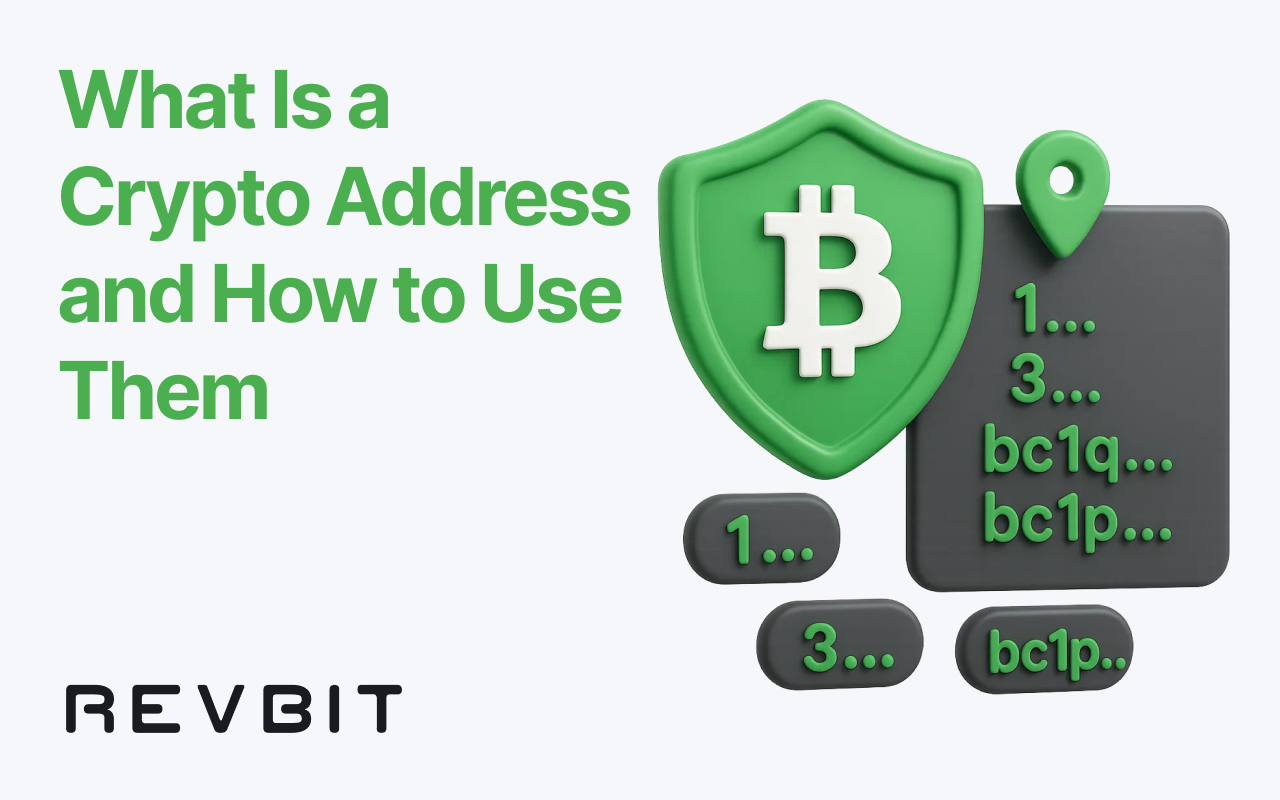

If you’ve ever dipped your toes into the crypto pool, you’ve probably stared at one of those weird strings of letters and numbers, wondering what the heck it is. That’s a crypto address, folks – the digital equivalent of a mailbox for your Bitcoin or other coins. It’s not just random jumble; it’s your gateway to sending and receiving funds on the blockchain.
But with formats like those starting with 1, 3, bc1q, or bc1p, it can feel like cracking a code. Don’t worry, though. In this rundown, we’ll unpack it all: what they are, why they vary, and how to handle them without fumbling. Whether you’re a rookie buying your first satoshi or a seasoned trader, getting this right keeps your stash safe and transactions smooth.
Let’s dive in and make sense of the madness.
The Lowdown: Unpacking What a Crypto Address Really Is
At its heart, a crypto address is like your account number in the blockchain world. It’s a unique identifier derived from your wallet’s public key, letting others send you digital assets without knowing your private details. Think of it as the “to” line on an envelope – public, shareable, but not the key to your house.
For Bitcoin, the OG crypto, these addresses come in different flavors, each with pros like better privacy or lower fees.
Why the variety? It boils down to evolution. Early days had simple formats, but as tech advanced, new ones popped up to fix issues like high costs or error-prone typing. A wrong digit? Funds lost forever – no chargebacks here. So, understanding your wallet address type helps avoid slip-ups.
Plus, it’s not just Bitcoin; Ethereum has its hex-style ones, but we’ll focus on BTC formats since they’re the poster child for this mess.
In essence, it’s a hashed version of your public key, making it shorter and checksum-protected against typos. Share it freely for incoming transfers, but guard it from mix-ups. Messing with the wrong format could mean incompatible wallets or extra fees. Knowing these basics sets you up for smarter moves in the crypto game.
Breaking Down the Formats: From Old-School to Cutting-Edge
Alright, let’s get specific on those Bitcoin address formats. They evolved over time, each building on the last for better efficiency or security.
Legacy (P2PKH)
Start with the legacy address, kicking off with a 1. These are the originals, using Base58 encoding – that’s letters and numbers, no confusing ones like 0, O, I, l. They’re straightforward but chunky, leading to higher transaction fees in busy times. You’ll see them in older wallets, great for compatibility but not the slickest.
P2SH (Pay-to-Script-Hash)
Next up, addresses starting with 3 – these are Pay-to-Script-Hash, or P2SH. They wrap complex scripts, like multisig setups where multiple keys sign off. Shorter than legacies, they cut costs a bit and add flexibility for advanced stuff. If you’re into shared wallets, this is your jam.
Bech32 (P2WPKH)
Then come the Bech32 ones, prefixed with bc1q. Born from SegWit upgrades, they’re case-insensitive and error-detecting, making copy-paste safer. They’re optimized for lower fees and faster confirmations, especially in lightning networks. If efficiency’s your goal, hunt for wallets supporting these.
Taproot (P2TR)
Lastly, the newest kids: bc1p starters, tied to Taproot. This upgrade boosts privacy and smart contracts on Bitcoin, hiding complex transactions as simple ones. They’re like Bech32 but with extra muscle for future-proofing. Not all spots support them yet, but they’re gaining traction fast.
Each format ties back to how the blockchain processes payments – pick based on your setup to avoid hitches.
How These Formats Stack Up: A Quick Comparison
To make it easier to pick, here’s a table laying out the key differences in Bitcoin address types. It covers the basics so you can glance and decide what’s best for your needs.
| Format Type | Prefix | Encoding | Key Advantages | Drawbacks | Best Use Case |
|---|---|---|---|---|---|
| Legacy (P2PKH) | 1... |
Base58 | Wide compatibility, easy to use | Higher fees, longer strings | Old wallets, basic transfers |
| P2SH | 3... |
Base58 | Supports multisig, slightly cheaper | Still Base58 issues like confusion | Shared accounts, scripts |
| Bech32 (P2WPKH) | bc1q |
Bech32 | Lower fees, error correction | Not universal yet | Modern wallets, efficiency |
| Taproot (P2TR) | bc1p |
Bech32 | Enhanced privacy, smart features | Limited support currently | Advanced users, future tech |
As you see, newer ones shine in cost and security, but stick with legacies if your tools are dated. Always check what your exchange or wallet prefers to dodge extra charges.
Generating Your Own: Steps to Get a Fresh Crypto Address
Ready to roll? Creating a crypto address is usually automatic in wallets, but knowing the drill helps.
-
Pick a reputable wallet – hardware like Ledger for safety, or software like Electrum for quick starts.
-
Set it up – during setup, it’ll generate a seed phrase (back that up!).
-
From there, your public key hashes into an address.
-
In apps like Exodus, hit “Receive” to see your Bitcoin address – it’ll show the format based on settings. Want Bech32? Toggle to SegWit mode.
For pros, tools like Bitcoin Core let you command-line it, but that’s overkill for most.
Key point: each wallet can spit out multiple addresses for privacy – use a new one per transaction to muddy tracking. Just remember, the address is public; the private key behind it stays hidden.
If you’re on mobile, apps like Trust Wallet make it a tap away. Scan QR codes for easy sharing. But test with tiny amounts first – send a dust transaction to confirm it lands right.
Putting It to Work: How to Use Crypto Addresses Safely
Now, the fun part: how to use crypto addresses without drama.
Receiving?
Share your address via text, QR, or link – no sweat, it’s not sensitive. Check it’s the right format; mixing could bounce funds.
Sending cryptocurrency?
Double, triple-check the string. One fat-finger, and it’s goodbye coins. Paste into your wallet’s send field, add amount, and confirm fees. Blockchain transaction times vary – Bitcoin’s ~10 minutes on average, but congestion spikes it.
For cross-chain stuff, ensure compatibility. Ethereum addresses start with 0x, so don’t mix with BTC. And watch for wrapped assets; they might use different formats.
Security-wise, avoid public Wi-Fi for sends, and use two-factor everywhere. If dealing with large sums, split into smaller transfers. Tools like explorers (Blockchain.com and others) let you verify arrivals.
Speaking of smooth swaps, when you’re moving between coins or cashing out, Revbit’s a handy exchanger. It handles quick, low-fee conversions with solid security, perfect for turning that address balance into fiat or other assets without the usual headaches.
Tips and Tricks: Keeping Your Addresses Secure and Efficient
No guide’s complete without some battle-tested advice. Here’s a bulleted list of must-dos for handling wallet addresses like a pro:
-
Verify twice: Always paste and eyeball the full address before hitting send – scams love altered clipboards.
-
Use QR codes: Skip typing errors; scan for accuracy, especially on mobile.
-
Rotate addresses: Generate fresh ones for each receive to boost privacy and dodge chain analysis.
-
Backup everything: Seed phrases unlock addresses; store offline, away from digital risks.
-
Watch fees: Newer formats like
bc1qcut costs – upgrade if your wallet allows. -
Test small: New setup? Send a tiny bit first to confirm the crypto address works.
-
Stay updated: Formats evolve; keep your software fresh for Taproot perks.
These keep you out of hot water. Remember, crypto’s irreversible – caution pays off big.
Common Pitfalls: What Not to Do with Your Crypto Address
Even vets slip.
-
Biggest no-no? Sharing private keys – addresses are public, keys are not.
-
Reusing addresses ties transactions, making you trackable.
-
Avoid shady sites asking for your address unnecessarily; phishing’s rampant.
-
Don’t ignore format mismatches – forcing a legacy send to a Bech32 wallet might fail or cost extra.
-
And forgetting to confirm on-chain? Wait for blocks before assuming it’s done.
Taxes too – track sends/receives; addresses log your history. Tools like Koinly help, but prevention beats cure.
Looking Ahead: The Future of Crypto Addresses
Formats won’t stop evolving. With Bitcoin upgrades like Schnorr signatures, expect even sleeker addresses boosting scalability. Cross-chain standards might unify things, easing multi-coin wallets.
Privacy tech like zero-knowledge could hide addresses altogether. For now, master the current ones – it’ll serve you as things shift.
Wrapping It Up: Master Your Crypto Addresses for Smoother Sailing
So there you have it – a deep dive into what a crypto address is, those quirky formats from 1... to bc1p..., and practical ways to wield them. It’s your ticket to seamless blockchain transactions, but only if handled right.
Pick the right type, generate wisely, use with care, and secure like Fort Knox. Crypto’s wild, but nailing these basics tames it a bit. Stay vigilant, experiment small, and watch your portfolio thrive.
Happy trading!
Disclaimer: The material in this article is not financial or investment advice. Everything stated here reflects the author's personal view and should not be treated as a recommendation to trade or invest. We make no warranties regarding the accuracy, reliability or completeness of the information presented. Cryptocurrency markets are highly volatile and can move unpredictably. Before committing any funds, every investor, trader or crypto user should study several independent sources and check the regulations that apply in their own jurisdiction.